How Coaches Can Teach Social Emotional Learning Through Sports
Every coach knows the feeling: a player loses their composure after a bad call, a team falls apart under pressure, or a talented athlete struggles to work with teammates. These moments are not just challenges to manage — they are opportunities to teach. Social emotional learning in youth sports is one of the most powerful yet underutilized tools coaches have to develop well-rounded young people.
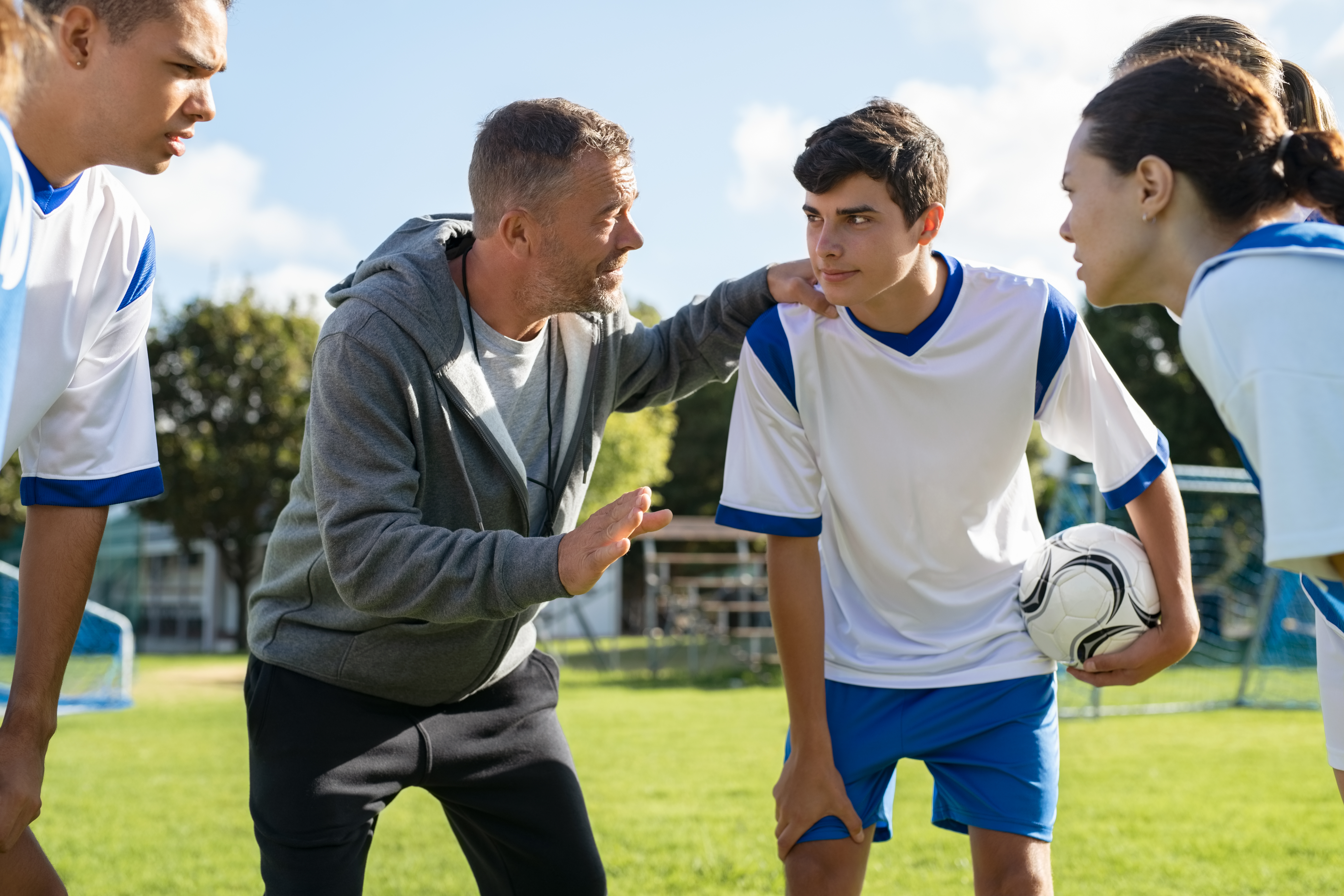
Research consistently shows that sports-based youth development programs foster critical SEL skills that carry into school, careers, and life. Yet most coaches teach these skills implicitly, leaving social and emotional growth to chance. The good news? With a few intentional strategies, you can make SEL a natural part of every practice and game.
What Is SEL and Why Does It Matter on the Field?
Social emotional learning is the process through which young people develop and apply the skills needed to manage emotions, build relationships, and make responsible decisions. The CASEL framework identifies five core competencies: self-awareness, self-management, social awareness, relationship skills, and responsible decision-making.
In a sports context, these competencies show up constantly. Self-awareness is the player who recognizes when frustration is affecting their performance. Self-management is the goalkeeper who takes a breath after conceding a goal. Social awareness is the teammate who notices a peer struggling and offers encouragement. Relationship skills are the captain who mediates a disagreement. Responsible decision-making is the athlete who chooses to play fair even when the referee is not looking.
The difference between a good coach and a great one often comes down to whether these moments are acknowledged and reinforced — or simply left unspoken.
Practical Strategies for Integrating SEL into Practice
You do not need a separate curriculum or extra time. SEL integrates naturally into what you already do.
Use transition time for relationship building. The five minutes before practice starts are golden. Instead of standing around, ask players about their day, their week, or something they are proud of. These brief conversations build trust and signal that you see them as people, not just athletes.
Incorporate reflection into cool-downs. After each session, ask two questions: "What went well today?" and "What is one thing you want to work on next time?" This builds self-awareness and accountability without adding any time to your schedule.
Assign values to each practice. At the start of the week, name a value — teamwork, respect, perseverance, communication. Reference it throughout practice. "That pass was a great example of teamwork." "I noticed you kept going even when you were tired — that is perseverance." Naming the skill makes it visible and transferable.
Create leadership rotations. Let different players lead warm-ups, drills, or post-game discussions each week. This develops confidence, communication, and social awareness in athletes who might not be natural leaders.
SEL Through Sports: Moving from Implicit to Intentional
The biggest shift coaches can make is moving from hoping athletes pick up life skills to designing experiences that teach them. This does not mean turning practice into a classroom. It means being deliberate about the moments that matter.
When a player makes a mistake, pause and ask: "What happened there, and what could you do differently?" When a conflict arises between teammates, resist the urge to solve it for them. Instead, facilitate a conversation: "Can you each share how you see this situation?"
These micro-moments are where SEL happens. They take seconds, not hours, but their impact lasts far beyond the season. Programs like ERA Skills provide structured frameworks that help coaches integrate these practices seamlessly, ensuring that social emotional development is woven into the fabric of every session.
Making It Stick: Building a Culture of SEL
Individual strategies work, but culture is what makes SEL sustainable. Here are three ways to build an SEL-driven team culture.
First, model what you teach. Athletes watch everything you do. If you want them to manage their emotions, show them how you manage yours. When a call does not go your way, narrate your thought process: "That was frustrating, but I am going to focus on what we can control."
Second, involve parents. Share what you are working on and why. When families reinforce the same language at home, the skills transfer faster and stick longer.
Third, celebrate character alongside performance. End-of-season awards for "best teammate" or "most improved leader" signal that soft skills matter just as much as stats.
When coaches intentionally teach social emotional learning through sports, they create environments where young athletes develop the skills that matter most — on the field and in life.
Want to see this working at your club?
Selected organizations run ERA Skills with one team for a season — coach training included.
The pilot program
Run ERA Skills with one team this season
Selected organizations run the full program with one team for one season — curriculum, coach training by our team, and an impact report from your own data. Spots are limited each season.