Develop complete athletes. Prove it with data.
A coaching curriculum plus the software that measures it — built for competitive youth sports.
Pilot spots are limited each season.
ERA Skills is a character development program for competitive youth sports organizations — a coaching curriculum your coaches are trained to run inside the practices they already lead, plus the software that measures it. Players reflect on skills like leadership, teamwork, and communication; directors get impact reports that show parents and funders real growth — not anecdotes.
Every program says it builds character. Almost none can show it.
You can pull up every game result, every stat, every payment record. But when a parent asks, "Is my kid actually growing as a person here?" — most programs have nothing to show except good intentions. That gap costs you: in retention conversations, in grant applications, and in how you stack up against the academy down the road.
■ The problem
Talent develops players. Awareness develops leaders.
The same gaps,
on and off the field.
Coaches see the same challenges every season. Left unaddressed, they don't stay on the field — they follow athletes into school, work, and life.
Sports should be where life skills are built. There's just never been a way to track that growth — until now.
See how programs prove it■ The ERA framework
Experience. Reflection. Growth.
No lectures.
No extra sessions.
ERA doesn't rely on lessons delivered from a whiteboard. Athletes learn through real moments in practice and games — then turn conflict, mistakes, and pressure into growth they can see. The loop runs inside the practice you already coach.
Experience
It starts on the field. Real practices, real games, real pressure. When conflict, mistakes, and adversity show up, ERA treats those moments as the curriculum — no scripts, no lectures, just the game athletes already play.
→ Real moments, real stakes
Reflection
After the moment, athletes pause. A two-minute check-in turns "what happened" into "what I'd do next time" — honest self-reflection plus peer perspective, so growth becomes conscious instead of accidental.
→ Pause · think · discuss

Growth
Reflection compounds. Coaches watch each athlete's development in leadership, communication, and accountability take shape over weeks and seasons — visible, measurable, and impossible to fake.
→ Visible over time
How ERA Skills works
Your coaches get trained on the curriculum.
ERA Skills trains your coaches — in person or over Zoom — on a structured curriculum for building one character skill at a time inside the practices they already run. No new lesson planning; the program fits the season you have.
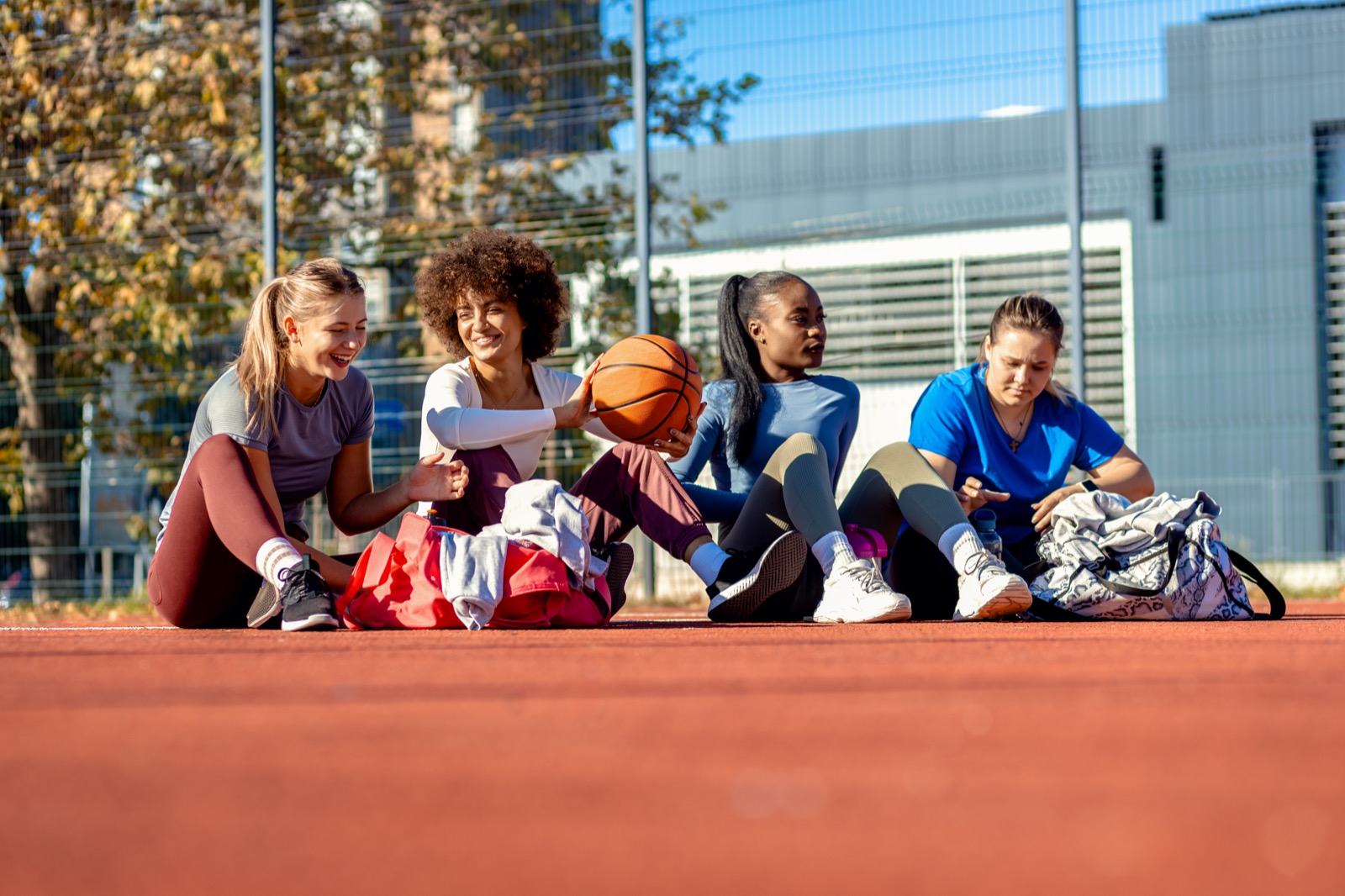
Players reflect after sessions.
Athletes rate how they demonstrated the skill — and how each teammate did — with a short comment for every rating. Coaches review it all. Players see their own scores and growth; nobody sees a leaderboard, because there isn't one.

Directors get proof.
Players' self-ratings and peer ratings combine into skill scores across all 5 skills, reviewed by the coach. Season over season, you get impact reports you can hand to parents, boards, and grant reviewers.
■ The growth record
The box score for character.
Sports already knows how to prove performance — you keep score. ERA Skills keeps score on the person: measured skill growth, self and peer perspective side by side, and the team's own words.
see who's growing and who needs support — per player, per skill.
get program rollups for boards, grants, and re-registration season.
see growth in plain language — including what teammates said.
Player growth record
SPRING '26
From the team
"She kept everyone talking on defense even when we were down two goals."
■ The product
Your program at a glance.
The actual coach home —
not a mockup
Tuesday, June 10 · 2 groups
Evening, Coach. 👋
Players
12
Check-ins
14
Team pulse
SELF PEER■ The framework
The starting five.
Skills every player can
name, see & grow
LOOKS LIKE → Calling the huddle when the team is frustrated. Picking up a struggling teammate. Owning a mistake out loud.
LOOKS LIKE → Giving a teammate specific encouragement. Asking the clarifying question. Honest, kind peer feedback.
LOOKS LIKE → Celebrating a teammate's win. Making the extra pass. Putting the team's goal ahead of your stat line.
LOOKS LIKE → Changing the approach when the first plan stops working. Finding the open option under pressure. Staying calm when the game gets chaotic.
LOOKS LIKE → Doing the right thing when nobody is watching. Respecting opponents and officials. Coming back strong after a setback.
Built for competitive youth sports organizations
Directors
For clubs, academies, leagues, and school athletic programs: retain families, win grants, and differentiate with development data no rival can copy overnight.
For DirectorsCoaches
Ten minutes per session. AI-generated discussion guides. Proof you're developing people, not just players.
For CoachesParents & Players
See real personal growth — without grades, rankings, or anything that distracts from the game.
For Parents & Players■ In their words
Coaches already running it.
Las Vegas programs,
in their own words
"This program can ultimately change the trajectory of personal and team growth."
Dustin Romero
Head Baseball Coach, Summerlin Sticks · Las Vegas, NV
"While good coaches focus on performance and what players do, great coaches also focus on how players do it. In short, better people make better players."
Coach Shannon
Palo Verde, Las Vegas, NV
"With time and teaching there was significant improvement in players' ability to accept criticism and realistic self-assessment. Players ultimately became more reflective and better communicators."
Coach Shannon
Palo Verde, Las Vegas, NV
Why programs trust ERA Skills
Private by design: players see only their own scores — never a teammate's — and no player is ever ranked or compared publicly. Parents see their own child, and only their own child.
Built for youth sports: parental consent flows, age-appropriate assessments, and a children's privacy policy written for U13–U18 programs.
FAQ
Questions directors ask us
ERA Skills is a character development platform for competitive youth sports organizations — clubs, academies, leagues, and school athletic programs. It measures skills like leadership, teamwork, and communication through peer ratings and guided self-reflection — all reviewed by the coach — and turns them into skill scores and program-level impact reports.
Players see their own scores and their own growth — that self-awareness is central to the program. What no one sees: teammates' scores, rankings, or leaderboards. Peer ratings and comments are reviewed by the coach, and no player is ever compared against another.
Yes — ERA Skills is built for U13–U18 athletes. Parental consent is collected before any athlete participates, with a separate flow for under-13s, and no scores are ever public: players see only their own, and parents see only their own child. See our Children's Privacy & Parental Consent Notice.
ERA Skills is priced annually per organization: Starter for a single team, Club for multi-team programs, and Organization for large clubs. Every organization can start by applying for a one-team pilot. See current pricing at eraskills.com/pricing.
Run it with one team this season.
A pilot includes the full program: the curriculum, hands-on training for your coach, and 3–4 assessment cycles — ending with an impact report built from your organization's own data. Because our team trains every pilot coach personally, we take on a limited number of organizations each season.