From the Field to the Classroom: Why Athletic Skills Transfer
Every day, millions of student athletes practice discipline, communication, and resilience without ever being told that these are the exact same skills their teachers, future employers, and communities will value most. The transferable skills from sports to classroom settings are hiding in plain sight — and coaches and educators who make these connections explicit give their athletes an extraordinary advantage.
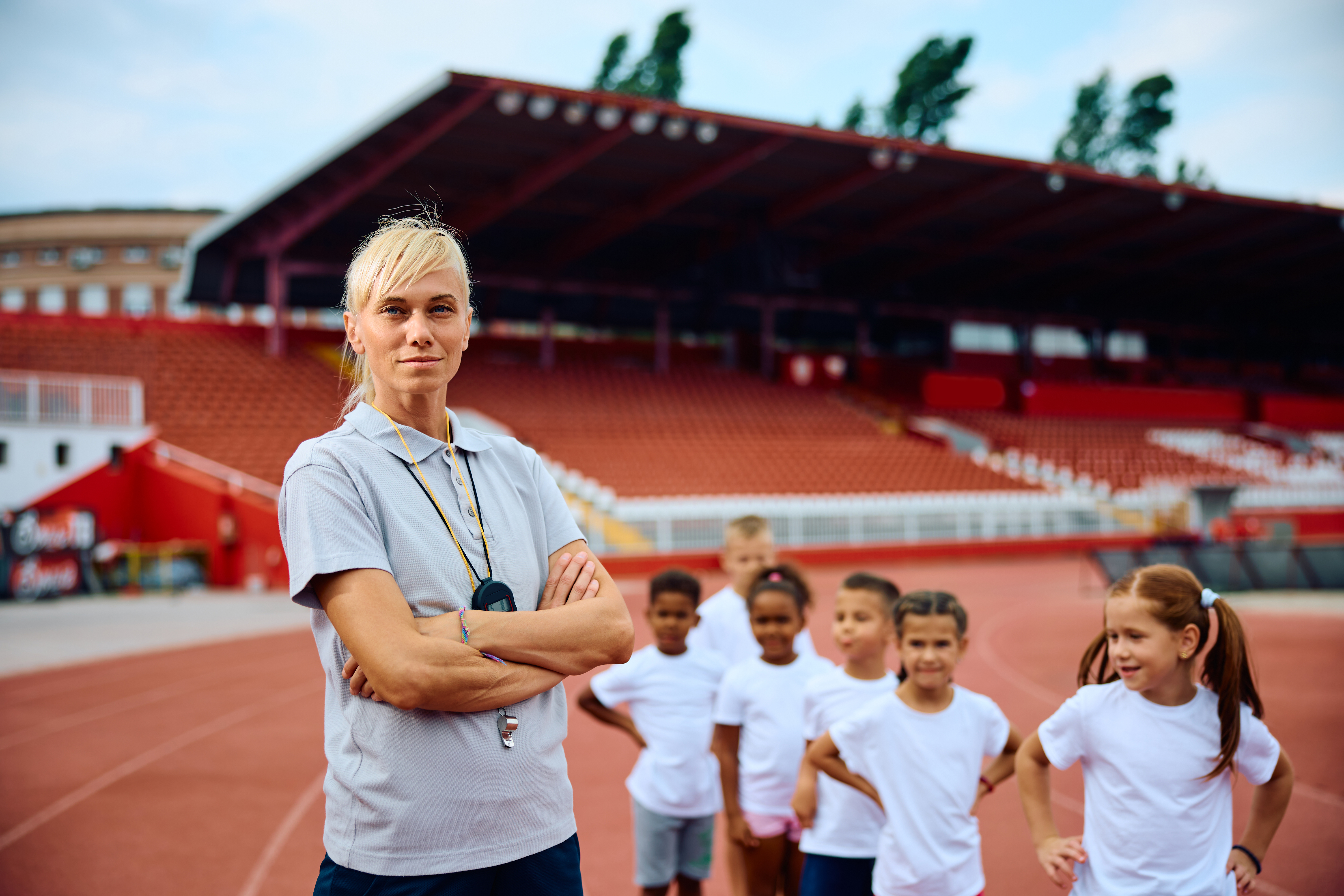
The problem is not that athletes lack soft skills. The problem is that most athletes compartmentalize them. The confidence they feel leading a fast break does not automatically show up in a class presentation. The discipline of a training regimen does not automatically transfer to a study schedule. The bridge between these arenas has to be built intentionally.
The Science Behind Skill Transfer
Research on transfer learning shows that skills developed in one context can apply to another — but only when the connection is made explicit. Psychologists call this "far transfer," and it requires three conditions: awareness of the skill, recognition of its relevance in a new context, and practice applying it there.
This is where coaches and educators play a critical role. When a coach says, "The focus you just showed during that drill is the same focus you need during an exam," they are building the neural bridge that makes transfer possible. Without that explicit connection, athletes often see their sporting abilities and academic abilities as entirely separate, which is a missed opportunity for whole athlete development.
Discipline and Self-Management: From Training to Studying
Athletes follow structured routines: warm-ups, drills, cool-downs, recovery. They show up when they do not feel like it. They push through discomfort to improve. These are self-management skills that directly apply to academic success.
Coaches can help athletes see this connection by framing training habits in broader terms. Instead of "We practice every day because it makes us better players," try "The discipline you show by being here every day is the same discipline that will help you succeed in school, at work, and in any goal you set for yourself."
Encourage athletes to apply their training structure to their academic lives. If they block out time for practice, they can block out time for studying. If they set performance goals for their sport, they can set achievement goals for their classes. The framework already exists — it just needs to be applied in a new arena.
Communication and Leadership: Same Skills, Different Arenas
On the field, athletes constantly communicate: calling plays, motivating teammates, providing feedback, managing conflicts. These are exactly the coaching leadership and character development skills that translate into academic group work, professional collaboration, and community involvement.
The key is helping athletes recognize and articulate these skills. After a practice where communication was particularly strong, ask athletes to name what they did. "We called out switches." "I told my teammate where the open space was." "I encouraged someone after a mistake." Then ask: "Where else in your life could you use these same skills?"
This simple reflection exercise builds what researchers call "metacognitive awareness" — the ability to think about one’s own thinking and skill use. Athletes who develop this awareness are significantly more likely to transfer their skills across contexts.
Teamwork and Collaboration: The Universal Skill
Teamwork in sports is not just about passing the ball. It involves reading social cues, adapting to different personalities, managing disagreements, prioritizing collective goals over individual recognition, and supporting others when they struggle. These are precisely the collaboration skills that employers rank among the most desirable in new hires.
Educators can reinforce this connection in the classroom by referencing athletic experiences. "Think about how you work together on the field. How can you bring that same energy to this group project?" When students hear their teachers acknowledge and value their athletic skills, it strengthens their identity as capable, skilled individuals — not just in sports, but in all arenas.
The athletics and academics connection is real and powerful, but it does not happen automatically. It requires coaches, educators, and parents to work together to name the skills, connect the dots, and create opportunities for practice in new settings.
Building the Bridge: Practical Steps for Coaches and Educators
Making skill transfer intentional does not require a complete overhaul of your program. Start with these practical steps.
First, name the skills explicitly. Every time an athlete demonstrates a soft skill during practice, name it. "That was leadership." "That was resilience." "That was effective communication." Naming makes the invisible visible.
Second, ask transfer questions. After any activity, ask: "Where else could you use this skill?" This simple question trains athletes to think beyond the field and recognize opportunities for application in school, work, and relationships.
Third, collaborate across roles. Coaches and teachers who communicate about shared goals for students create a consistent message that skills are transferable. A quick conversation about what you are working on can align expectations and reinforce learning in both settings.
The transferable skills from sports to classroom are among the most valuable outcomes of athletic participation. When we make these connections intentional, we help young people see themselves as capable, skilled individuals in every arena of life. T
Want to see this working at your club?
Selected organizations run ERA Skills with one team for a season — coach training included.
The pilot program
Run ERA Skills with one team this season
Selected organizations run the full program with one team for one season — curriculum, coach training by our team, and an impact report from your own data. Spots are limited each season.