Building Resilience in Young Athletes: A Practical Playbook
A basketball player misses the free throw that would have won the game. A swimmer finishes last in their heat for the third meet in a row. A soccer player gets benched after weeks of declining performance. What happens next in these moments defines an athlete far more than the moment itself.
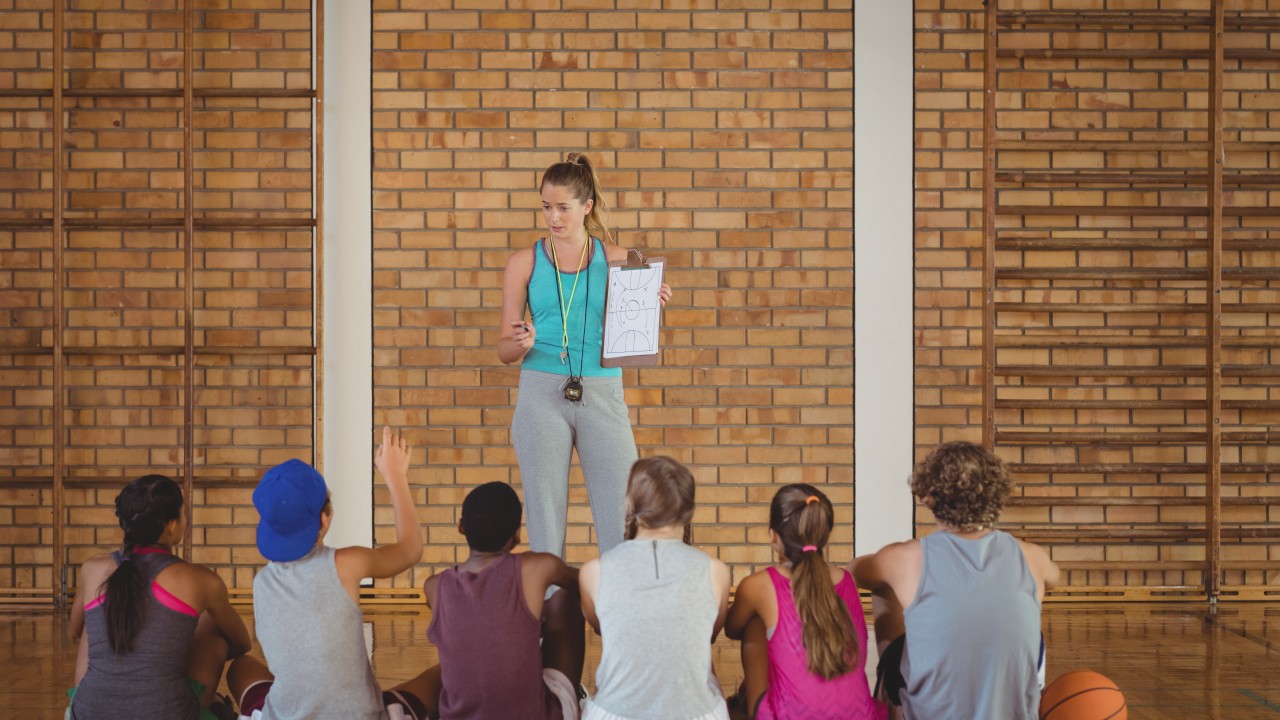
Building resilience in young athletes is not about toughening them up or teaching them to ignore their emotions. It is about equipping them with the mental and emotional tools to navigate adversity, learn from failure, and come back stronger. For coaches, resilience is one of the most impactful skills you can develop — and it transfers directly into every area of a young person’s life.
Why Resilience Matters More Than Talent
Research consistently shows that resilient athletes perform better under pressure, experience lower burnout rates, and stay engaged in their sport longer. But the benefits extend well beyond athletics. Young people who develop resilience through sports are better equipped to handle academic challenges, social conflicts, and life transitions.
The key insight for coaches is this: resilience is not a fixed trait. It is a set of skills that can be taught, practiced, and strengthened over time. Just like you would not expect an athlete to master a crossover dribble without repetition, you should not expect them to develop mental toughness youth sports demands without intentional practice.
Strategy 1: Foster a Growth Mindset in Every Interaction
A growth mindset — the belief that abilities can be developed through effort and learning — is the foundation of resilience. Coaches set the tone for this mindset in every interaction.
Replace outcome-focused praise with process-focused praise. Instead of "Great shot," try "I saw you adjust your footwork on that one — that is the kind of improvement that comes from focused practice." Instead of "We need to win this game," try "Let us focus on executing the skills we have been working on."
When athletes internalize the idea that effort leads to growth, setbacks become stepping stones rather than roadblocks. This shift in language is simple but transformative for growth mindset athletes.
Strategy 2: Normalize Failure as Part of the Process
Many young athletes believe that good players do not fail. This belief is not just incorrect — it is harmful. When athletes fear failure, they avoid challenges, play it safe, and crumble when things go wrong.
Coaches can normalize failure by sharing their own stories of setbacks. Talk about a time you lost, struggled, or had to start over. When athletes see that people they respect have faced failure and come through it, the stigma decreases.
Create a team ritual around failure. Some coaches use a "failure of the week" moment where athletes share a mistake they learned from. Others use post-game reflections that focus equally on what went wrong and what was learned. The goal is to make failure a data point, not a verdict.
Strategy 3: Teach Emotional Regulation on the Field
Athletes experience intense emotions during competition: frustration, anger, anxiety, disappointment. Coaching resilience strategies must include tools for managing these emotions in real time.
Introduce simple techniques that athletes can use during play. A three-breath reset between points. A physical cue like tapping their thigh to signal a mental restart. A focus word or phrase they repeat when they feel emotions rising.
Practice these techniques during training, not just games. Run a drill, then intentionally create a frustrating scenario — a bad call, a missed opportunity — and ask athletes to use their reset strategy before the next play. Repetition in practice builds automatic responses in competition.
Strategy 4: Build Connection and Belonging
Resilience does not develop in isolation. Athletes who feel connected to their team and supported by their coach bounce back faster from setbacks. Strong relationships reduce the feelings of isolation that can turn a bad game into a downward spiral.
Start every practice with a brief check-in. It can be as simple as asking each player to share one word about how they are feeling. This takes less than two minutes but signals that you care about them beyond their performance.
Pair athletes for accountability partnerships. When a teammate is struggling, their partner checks in, offers encouragement, and helps them refocus. This builds both resilience and relational skills simultaneously.
Strategy 5: Celebrate the Comeback, Not Just the Win
What you celebrate as a coach sends a powerful message about what matters. If you only celebrate wins and personal bests, athletes learn that only outcomes count. If you celebrate effort, growth, and recovery, they learn that the process matters most.
Create specific recognition for resilience moments. Acknowledge the player who shook off a rough first half and came back strong. Highlight the athlete who kept working through a difficult training block. Use language like "That is what resilience looks like" to make the connection explicit.
Building resilience in young athletes is not a one-time conversation. It is a daily practice embedded in your coaching culture. When you make resilience intentional, you prepare athletes for every challenge they will face — in sports and in life. ERA Skills offers frameworks and tools designed to help coaches integrate resilience-building into their programs. Learn more at
Want to see this working at your club?
Selected organizations run ERA Skills with one team for a season — coach training included.
The pilot program
Run ERA Skills with one team this season
Selected organizations run the full program with one team for one season — curriculum, coach training by our team, and an impact report from your own data. Spots are limited each season.