5 Soft Skills Every Student Athlete Needs Beyond the Game
Student athletes spend hours perfecting their technique, building strength, and studying game film. But ask any college recruiter, employer, or educator what separates good athletes from great ones, and the answer rarely involves a forty-yard dash time. It is soft skills for student athletes — communication, resilience, time management, leadership, and teamwork — that make the biggest difference.
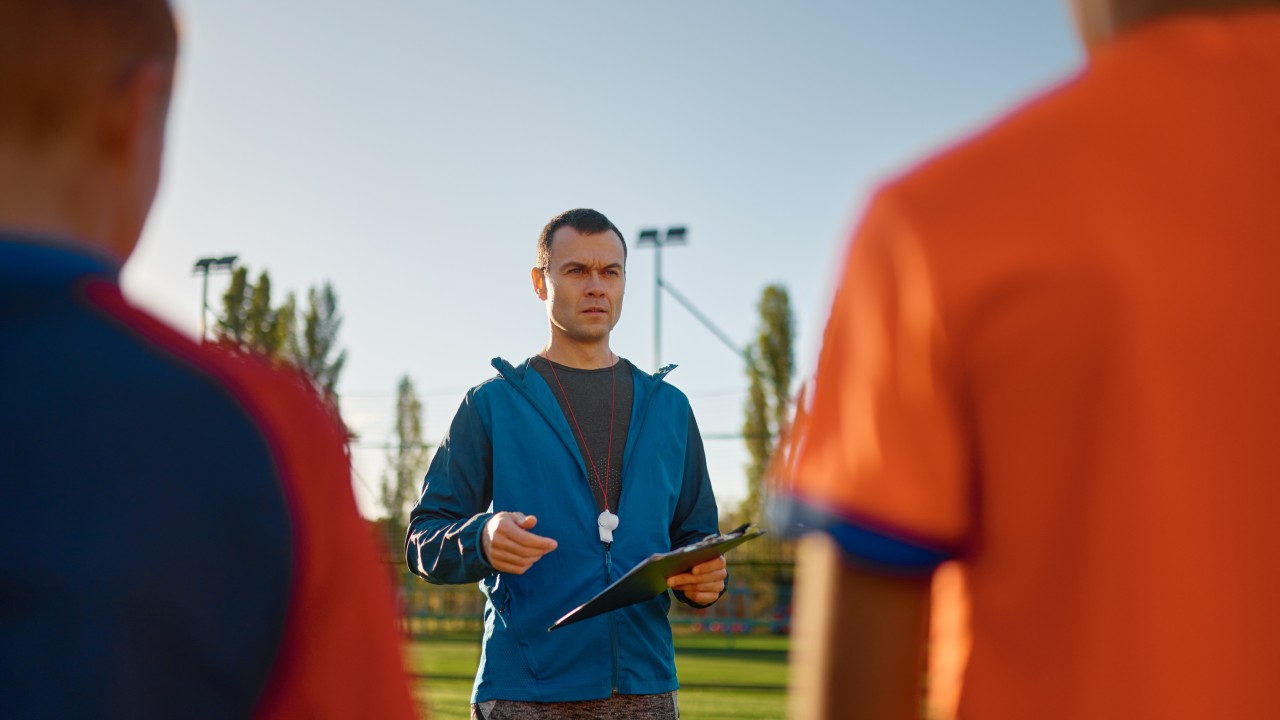
The challenge? Most athletes develop these skills without ever naming them. They learn accountability from showing up to six a.m. practices but do not connect that discipline to their academic work. They learn communication by calling plays on the field but struggle to lead a group project in class. Coaches and educators who intentionally bridge this gap give their athletes an advantage that lasts far beyond graduation.
1. Communication: The Skill Behind Every Great Play
On the field, communication happens at full speed. Athletes call out screens, redirect teammates, and adjust strategies in real time. These are sophisticated communication skills, but athletes rarely recognize them as such.
Coaches can make this connection explicit. After a drill that required strong verbal coordination, pause and say: "The communication you just used is the same skill you need in a job interview, a group presentation, or a tough conversation with a friend." When athletes hear this framing, they start to see their athletic abilities as transferable skills from sports to every other arena of life.
Practical exercise: Have athletes practice giving clear, constructive feedback to a partner after a drill. One specific thing they did well, one specific area to improve. This builds both communication skills and emotional intelligence.
2. Time Management: Balancing the Demands
Student athletes juggle early morning workouts, afternoon practices, travel schedules, and academic deadlines. They are some of the busiest people on any campus. Yet many never formalize the time management skills they use daily.
Coaches can help by building intentional planning into the team culture. At the start of each week, ask athletes to identify their top three priorities — one athletic, one academic, one personal. Check in briefly at the end of the week. This simple routine teaches goal-setting and self-management in a way that feels natural, not forced.
The ability to manage competing demands is one of the most valuable life skills athletics can provide. When coaches name it and practice it, athletes carry that skill into college, careers, and beyond.
3. Resilience: Turning Setbacks into Comebacks
Every athlete experiences failure. Missed shots, lost games, injuries, and benchings are all part of the journey. What matters is not the setback itself but how the athlete responds.
Resilience is not something athletes are born with — it is something they build through guided practice. Coaches play a critical role by reframing failures as data points rather than verdicts. After a tough loss, instead of dwelling on what went wrong, ask: "What did you learn today that will make you better tomorrow?"
Create a team norm around bounce-back moments. When a player recovers from a mistake during a game, acknowledge it publicly: "That is resilience right there. You let go of the error and made the next play." This reinforces the behavior and gives it a name that athletes can carry into every other part of their lives.
4. Leadership: Developing Every Voice on the Team
Leadership is not reserved for captains. Every athlete on a roster can develop leadership skills, and coaches who create opportunities for all players to lead build stronger teams and more confident individuals.
Rotate responsibilities: let different players lead warm-ups, organize equipment, or facilitate a post-game debrief. Encourage quieter athletes to share observations during film sessions. Leadership is a muscle that grows with use, and every rep matters.
The skills beyond the game that come from leadership — confidence, decision-making, accountability — are exactly what employers and educators look for. When an athlete can point to a specific moment where they stepped up to lead, they have a story that resonates far beyond sports.
5. Teamwork: The Skill That Defines Every Arena
Teamwork might seem obvious, but there is a difference between being on a team and being a good teammate. Good teammates actively listen, elevate those around them, manage conflict constructively, and put collective goals ahead of personal recognition.
Coaches can develop deeper teamwork skills by designing drills where success requires genuine collaboration. Small-sided games where every player must touch the ball before scoring. Problem-solving challenges where the team must communicate without a designated leader. These activities force athletes to rely on each other in new ways.
Soft skills for student athletes are not a nice-to-have — they are the foundation of success in school, work, and life. The same skills that win games are the skills that build careers. At ERA Skills, we help coaches and educators make this connection intentional and actionable.
Want to see this working at your club?
Selected organizations run ERA Skills with one team for a season — coach training included.
The pilot program
Run ERA Skills with one team this season
Selected organizations run the full program with one team for one season — curriculum, coach training by our team, and an impact report from your own data. Spots are limited each season.